Unveiling the Magic of Aerial Yoga: My Journey to Floating Fitness
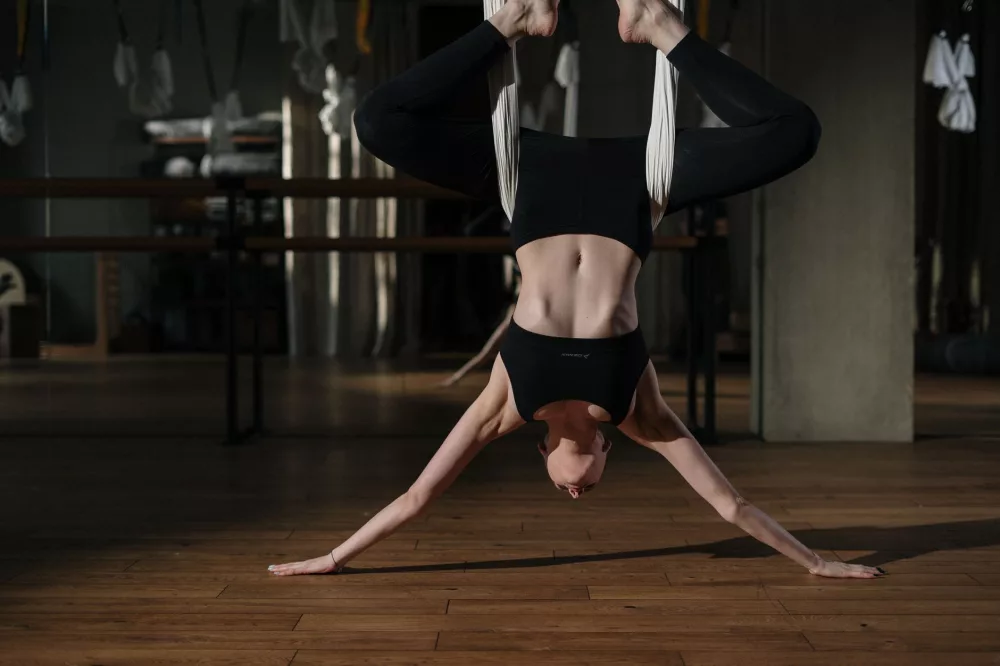
What if I told you there's a yoga practice where you literally hang out? I mean, really, truly hang, suspended in the air, feeling like you're defying gravity. That's aerial yoga for you! It's a fantastic blend of traditional yoga asanas, Pilates, and even some dance, all performed with the support of a soft fabric hammock suspended from the ceiling. I remember my first time walking into a studio and seeing all those colorful slings; I was a mix of excited and a little intimidated, I won't lie. But what an experience!
What Exactly Is Aerial Yoga, Anyway?
So, let's break it down. Aerial yoga, sometimes called anti-gravity yoga, isn't just a fancy gimmick. It uses a special, soft, silken hammock that acts as a prop, supporting your weight and allowing you to explore traditional yoga postures in new, often more accessible, ways. Think of it like a playful, supportive extension of your mat practice. The hammock isn't just for looks; it helps you deepen stretches, achieve inversions with greater ease, and even provides a super comfy cocoon for savasana. It's truly incredible what your body can do when it's partially supported by the air.
A Little History Lesson (No, Not a Boring One!)
While it feels super modern, the concept of using props for support in yoga isn't entirely new. However, aerial yoga as we know it today really started gaining traction in the early 2000s, popularized by people like Christopher Harrison, who developed 'AntiGravity Fitness.' He originally used the hammocks for performance and acrobatics, but soon realized the immense therapeutic and physical benefits for a wider audience. It's evolved quite a bit since then, blending different disciplines into the dynamic practice we see today.
How's It Different From Your Regular Mat Class?
Oh, it's very different, and that's precisely its charm!
- Gravity's Your Friend: On the mat, gravity constantly pulls you down. In aerial yoga, the hammock takes a significant portion of your body weight, which can make certain poses, especially inversions, much more approachable. It essentially decompresses your spine.
- Support & Depth: The fabric allows you to go deeper into stretches than you might on the mat. Imagine a hip opener where the hammock gently assists you, taking pressure off your joints. It's a game-changer!
- Core Engagement: Because you're constantly stabilizing yourself in the air, your core muscles get an intense, yet often fun, workout without you even realizing it.
- Acrobatic Fun: Let's be honest, getting to swing and hang upside down adds an element of childlike joy and adventure that traditional yoga sometimes doesn't offer. It feels like flying!
The Incredible Benefits I've Discovered
I can talk all day about the perks. Honestly, there are so many!
- Spinal Decompression: This is a big one. Hanging upside down gently stretches your spine, relieving pressure on discs and nerves. If you have back pain, this might just be your new best friend.
- Improved Flexibility: The hammock supports you in deeper stretches, helping to increase your range of motion pretty quickly. You'll be surprised how open your hips and shoulders become.
- Enhanced Core Strength: Every movement requires stabilization, which means your core is always engaged. You'll build strength without even feeling like you're doing endless crunches.
- Increased Circulation: Inversions help reverse blood flow, which can boost circulation, improve lymphatic drainage, and even give your skin a healthy glow.
- Stress Relief: There's something incredibly calming about being suspended. The gentle swinging motion, the feeling of weightlessness, and the focus required can be incredibly meditative. Plus, savasana in the hammock is pure bliss; you feel like you're floating in a soft cloud.
- Boosted Mood: Endorphins, confidence, a sense of accomplishment – it all adds up to a fantastic mood boost. You'll leave feeling taller, lighter, and happier.
Safety First, Always!
Like any physical activity, there are some things to keep in mind.
- Qualified Instructors: Make sure your studio has certified aerial yoga instructors. They know how to set up the hammocks safely and guide you through poses correctly.
- Listen to Your Body: Don't push yourself too hard, especially when trying inversions. It's okay to modify or rest.
- Health Conditions: If you have high or low blood pressure, glaucoma, heart conditions, severe vertigo, or are pregnant, definitely consult your doctor before trying aerial yoga. Inversions might not be suitable for everyone.
- Clothing: Wear comfortable, fitted clothing that covers your armpits and knees to prevent fabric burn and ensure comfort. Avoid zippers or sharp jewelry that could snag the fabric.
What to Expect in Your First Class (Don't Be Scared!)
When you first step into an aerial yoga class, you'll see a row of colorful fabric hammocks hanging from the ceiling. Each is suspended at about hip height, which is perfect for most starting poses.
- Warm-up: You'll begin with gentle movements, often on the floor or with your feet still grounded, to get your body ready.
- Getting Acquainted: Your instructor will show you how to safely get into and out of the hammock, how to hold it, and how to trust its support. This part is crucial!
- Exploring Poses: You'll then move into various postures, some familiar from mat yoga (like downward dog or warrior, but with a twist!), and others unique to aerial yoga, including gentle inversions. You might start with seated poses, then move to standing, and eventually some floating or flying movements.
- Cool-down & Savasana: The class usually ends with a lovely cool-down, often followed by the most magical savasana you'll ever experience. You'll cocoon yourself fully into the hammock, swaying gently, feeling completely supported and relaxed. It's heavenly, I tell you.
Tips for Beginners (You Got This!)
- Arrive Early: Give yourself time to settle in, ask questions, and get comfortable with the studio space.
- Hydrate: Drink plenty of water before and after class.
- Eat Light: Avoid a heavy meal right before class, as inversions on a full stomach aren't fun.
- Be Patient: It takes a little practice to get used to the sensation of being suspended. Don't worry if you feel a bit wobbly at first; everyone does!
- Communicate: If something feels uncomfortable or you're unsure, just ask your instructor. That's what they're there for!
- Embrace the Fun: Seriously, this is a chance to be playful and try something new. Let go of expectations and just enjoy the ride.
Aerial yoga isn't just a workout; it's an experience. It challenges your body in new ways, quiets your mind, and honestly, makes you feel like a graceful acrobat, even if just for an hour. I truly believe that if you're looking to shake up your fitness routine, find a new way to relieve stress, or just want to feel a little bit more like a superhero, you absolutely have to give aerial yoga a try. You might just surprise yourself with what you can achieve up in the air!
About Editorial Team
Senior columnist and culture critic specializing in architectural designs, emerging high-growth systems, and contemporary philosophies.
Contact Desk
Have an editorial inquiry or custom partnership idea? Reach our team directly.